Learn · 3 min read · updated
Can you copyright AI art? What it means for merch
Short version for sellers: the AI picture isn't yours to protect, the slogan never was, and the parts you actually made still are.
The short answer
In the US, an image generated by AI from a prompt has no copyright, because the courts have confirmed copyright needs a human author and the Copyright Office says prompts alone don't qualify. What a person adds (their own drawing, real edits, the selection and arrangement of the pieces) can be protected. Short phrases and slogans can't be copyrighted at all, AI or not; that's trademark territory.
Where the law landed
The US Copyright Office's January 2025 report on copyrightability says AI output is protected only where a human author decided enough of the expression. Prompts alone don't count, however detailed: the person typing a prompt doesn't control how the image comes out. Using AI as a tool inside a larger human work doesn't block protection for the human parts.
The courts agree. In Thaler v. Perlmutter the D.C. Circuit held in March 2025 that the Copyright Act requires a human author, and the Supreme Court declined to hear the appeal in March 2026. So the human author rule is settled US law. How much human input is enough is still decided case by case, and other cases on AI-assisted work are still in the courts.
What that means for a shirt
- A pure AI image (prompt in, picture out, printed as is): no copyright. Anyone could print the same image and you'd have no copyright claim against them.
- An AI image you reworked by hand: your changes can be protected, the generated parts still can't. Keep your layered files; they show what you did.
- Your own drawing, photo or illustration: fully yours, even if AI helped with cleanup.
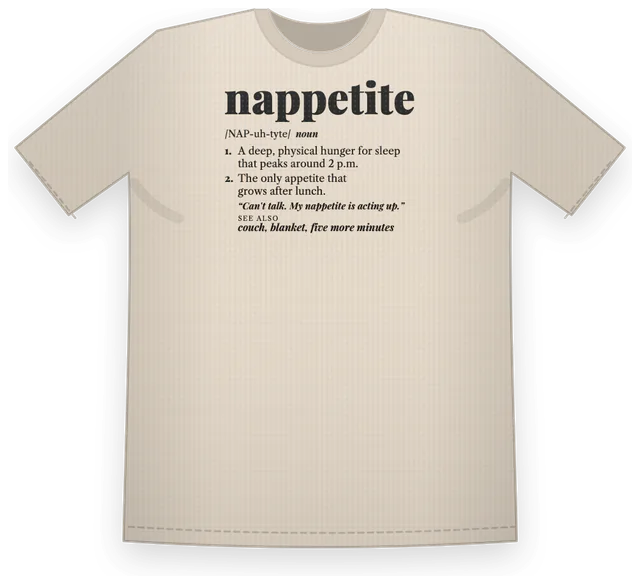
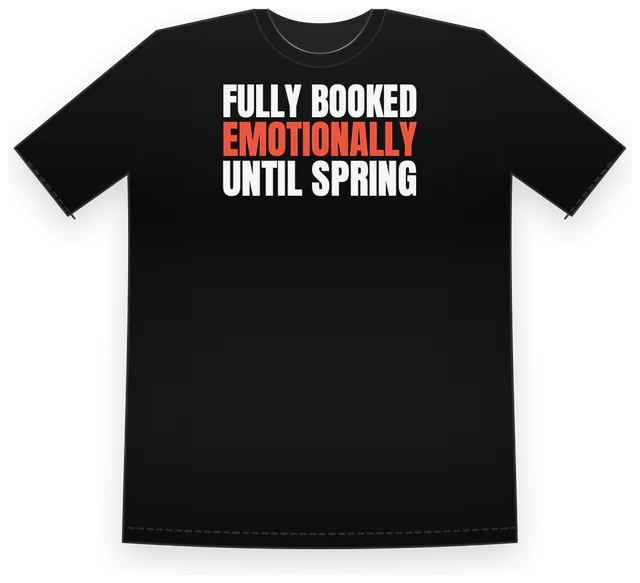
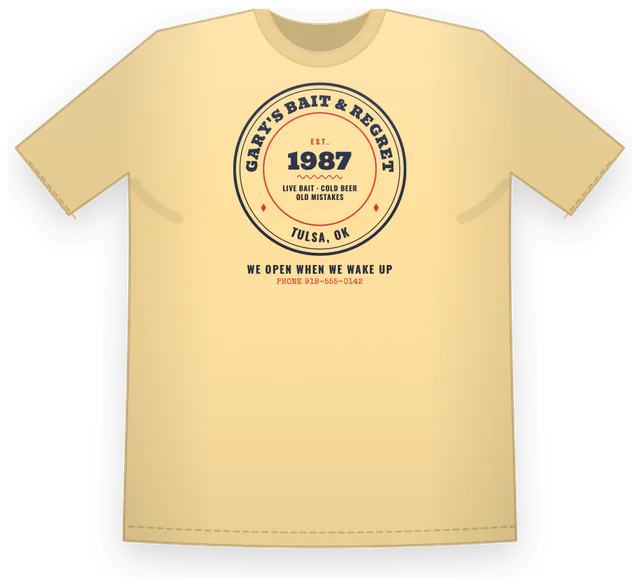
- A slogan or short phrase: never copyrightable. The Copyright Office's list of works it won't protect includes words, short phrases, names, titles and slogans. Brands protect slogans with trademarks instead.
- A layout of your words in a font: the typeface design isn't yours and neither is the phrase, so there's little to claim. What makes a text shirt yours is the idea and the brand around it.
The other direction: copying in
The bigger risk for sellers isn't losing your own copyright, it's infringing someone else's. A generator can produce something close to a known character or artwork, and you're the one who printed and sold it. Printful's terms for its built-in AI tools make the seller responsible for clearing the rights, and its IP policy does the same for everything else.
Treat AI output the way you'd treat a stock image you found online: look at it and ask whether you'd recognise it as someone else's. If you would, a buyer and a rights holder will too.
Outside the US
Rules differ by country. The UK, for one, has a provision for computer-generated works that the US doesn't, though the UK government has proposed removing it. If you sell mainly outside the US, check your own country's rules; this page covers US law.
Questions people ask
Can someone copy my AI-generated t-shirt design?
If the design is purely AI-generated, copyright won't stop them in the US. Marketplace rules against copying listings and your own trademark (if you register a brand) are the protection you'd have.
Does a very detailed prompt make it mine?
No. The Copyright Office says prompts alone don't give enough control over the output, however long they are. Your own edits to the image are what count.
Can I copyright a funny phrase for a shirt?
No. Words and short phrases aren't copyrightable. A phrase can become a trademark if it identifies who makes the goods, but a phrase printed big across the front of a shirt is usually seen as decoration, not a brand.
Sources
- US Copyright Office: Copyright and Artificial Intelligence, Part 2: Copyrightability (announcement, January 29, 2025)
- US Copyright Office, Circular 33: Works Not Protected by Copyright
- Mayer Brown: Supreme Court denies review in AI authorship case (March 2026)
- Printful Third-Party AI Tool Terms of Use
Checked 2026-10-24. Policies and rules change; follow the source before you rely on a detail. This is general information, not legal advice.